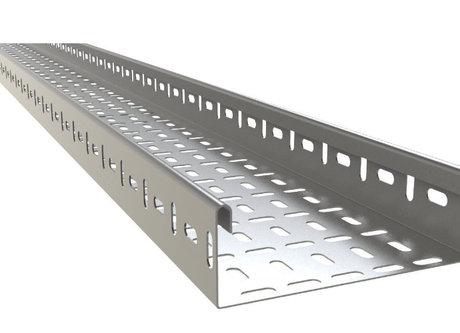
Selecting the right cable tray system is crucial for any industrial or commercial electrical installation. With proper cable management, you can ensure safety, reduce maintenance costs, and extend the life of your electrical infrastructure.
Key Factors to Consider When Choosing Cable Trays:
- •Material Type: Galvanized Steel vs Hot-Dip Galvanized (HDG)
- •Load Capacity Requirements
- •Environmental Conditions (indoor vs outdoor, corrosive environments)
- •Cable Types and Quantities
- •Future Expansion Needs
Galvanized steel cable trays offer excellent value for indoor applications, providing good corrosion resistance at a competitive price point. For outdoor or harsh environments, HDG cable trays provide superior protection with a thicker zinc coating that can last decades.
- •Load capacity is another critical consideration. Our heavyduty cable trays can support up to 300kg per meter, making them suitable for high-density cable installations in power plants and industrial facilities.
- •Proper installation techniques include maintaining adequate support spacing (typically 1.52 meters), using proper fittings for bends and junctions, and ensuring proper grounding of the entire cable tray system.
Need these products for your project?
Contact us for competitive pricing and expert technical support.
Request a QuoteShare this article:
Related Articles
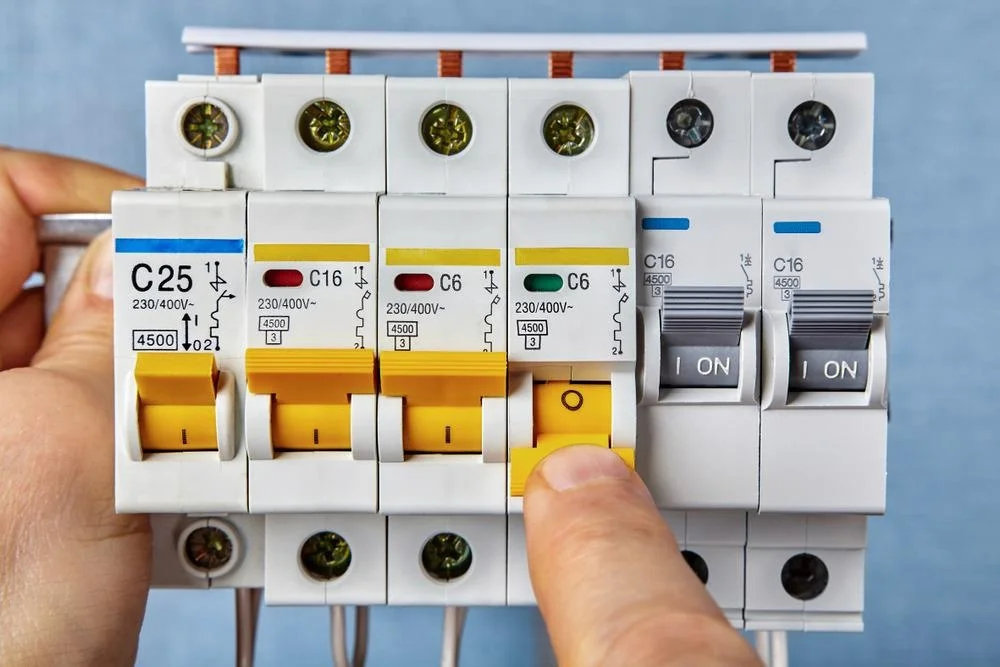
Circuit Protection
Understanding Circuit Breaker Types: MCB, MCCB, and ACB
A comprehensive guide to selecting the right circuit protection devices...
March 28, 2026
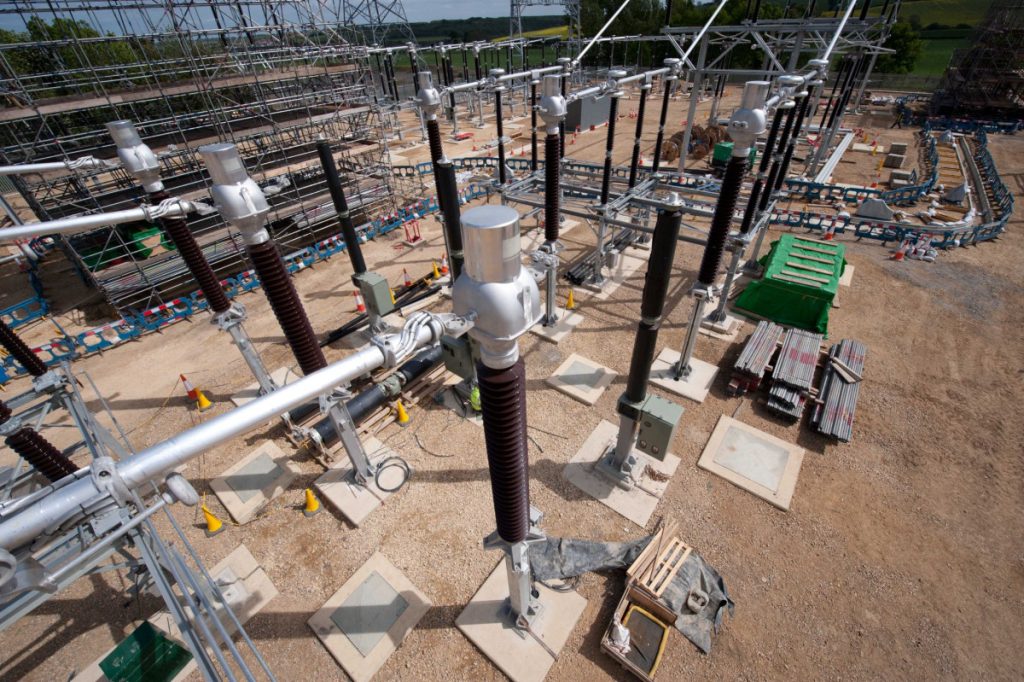
Earthing & Safety
The Importance of Proper Earthing Systems for Electrical Safety
Why copper bond rods and complete grounding solutions are critical...
March 20, 2026
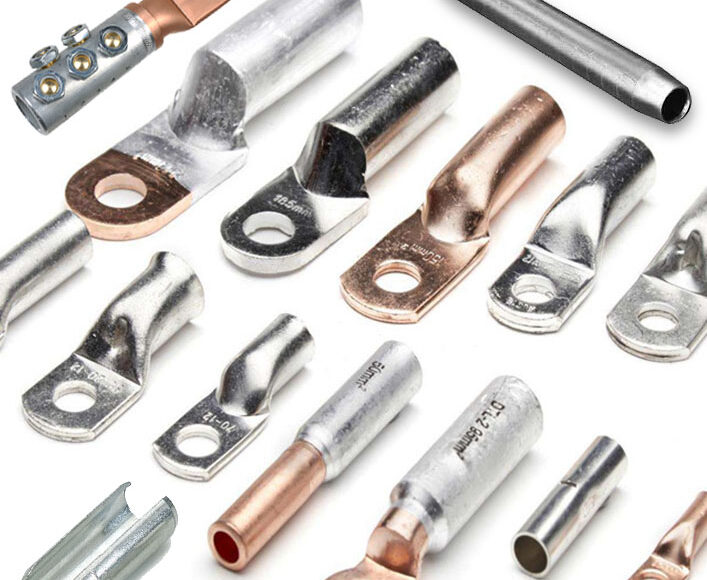
Electrical Accessories
Cable Lugs: Copper vs Aluminum - Which One Should You Choose?
Understanding the differences in conductivity, corrosion resistance, and applications...
March 15, 2026
Need Premium Electrical Components?
Get quotes for cable trays, circuit breakers, busbars, lightning arrestors, wiring devices, and more.
Contact Our Team